Why Dock Leveler & Overhead Doors Need Seasonal Inspection: Avoid Frozen Dock Failures This Winter
For many Michigan businesses, the loading dock is the heartbeat of daily operations. Trucks are constantly arriving, forklifts are moving quickly, and timing matters. When winter hits, the combination of freezing temperatures, moisture, and heavy use can bring even a well-designed dock to a halt. A frozen dock plate or a stuck overhead door is more than an inconvenience. It leads to delays, safety concerns, and expensive emergency repairs.
Seasonal inspections are one of the most effective ways to keep your dock equipment operating reliably during the harshest months of the year. Winter puts unique stress on dock levelers and overhead doors, which is why preparation in the fall is so important.
Winter Creates Conditions That Strain Dock Equipment
Michigan's freeze-thaw cycle introduces moisture into hinges, springs, motors, and hydraulic systems. When temperatures drop, that moisture freezes and expands. This slows down moving parts, causes components to seize, and can even bend hardware over time.
Salt and ice melt products add another layer of wear. They can corrode metal surfaces and work their way into lubricated parts, reducing their effectiveness. Without routine inspection, minor issues can quickly turn into mid-winter breakdowns.
Dock Levelers Are Especially Vulnerable to Cold Weather
Dock levelers rely on hydraulics, mechanical springs, or air systems to lift and lower safely. Each of these systems reacts differently to cold weather.
A few common winter-related issues include:
- Slowed or unresponsive hydraulics due to thickened fluid
- Stiff mechanical springs that cannot cycle smoothly
- Air bag systems that lose pressure in extreme temperatures
- Debris or ice buildup preventing full range of motion
A seasonal tune-up helps ensure that the leveler can lift, descend, and lock into place correctly, even when temperatures drop below freezing.
Overhead Doors Experience More Stress During Winter
Commercial overhead doors in Michigan often run hundreds of cycles per week. In winter, the workload becomes even harder. Metal tracks contract, sensors get obstructed by frost, and cold weather exposes weak spots in cables, rollers, and springs.
A seasonal inspection helps identify:
- Worn springs that are more likely to snap in the cold
- Damaged rollers or bearings that struggle in low temperatures
- Track misalignment caused by temperature shifts
- Failing weather seals that allow heat to escape
Addressing these issues early reduces the risk of a door freezing in place and stopping dock activity entirely.
Prevent Downtime and Maintain Safety
A stuck overhead door or frozen dock leveler is more than a simple repair call. It can delay shipments, create unsafe working conditions, and disrupt your entire schedule. Emergency repairs are also far more expensive than planned seasonal maintenance.
A professional inspection supports:
- Safer loading and unloading
- Faster winter response times
- Fewer surprise breakdowns
- Better equipment lifespan
Businesses that take a proactive approach often see smoother operations throughout the winter months.
Conclusion
Seasonal inspections are one of the smartest investments a commercial facility can make before winter sets in. Proper maintenance keeps dock levelers and overhead doors operating safely, prevents costly downtime, and protects your equipment from Michigan's harsh climate.
If your loading dock has not been inspected yet this season, contact Altech Doors today. Our technicians help businesses stay operational all winter with dependable dock and overhead door maintenance.
Promotion
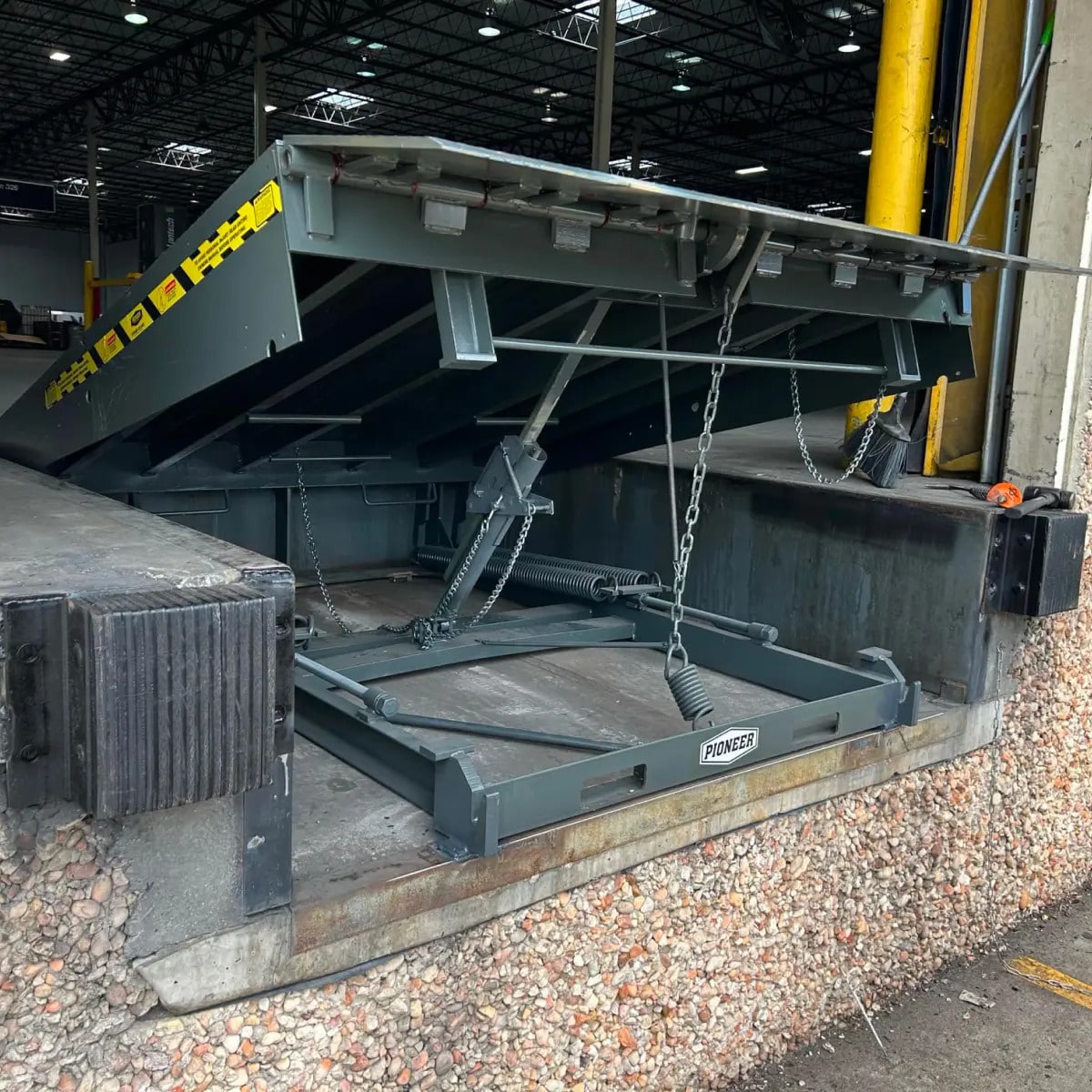
Dock Leveler PM
Flat $100.00 per dock. Inspection, lubrication, and functional testing of mechanical, hydraulic, or air-powered levelers.